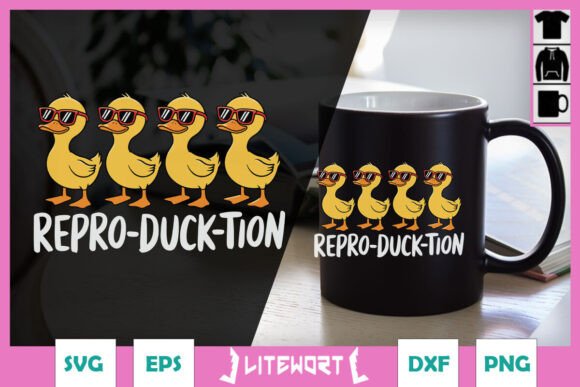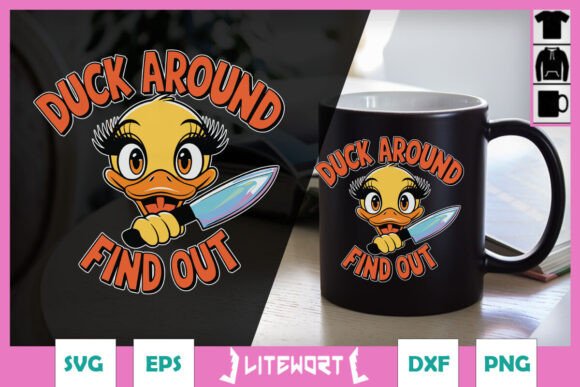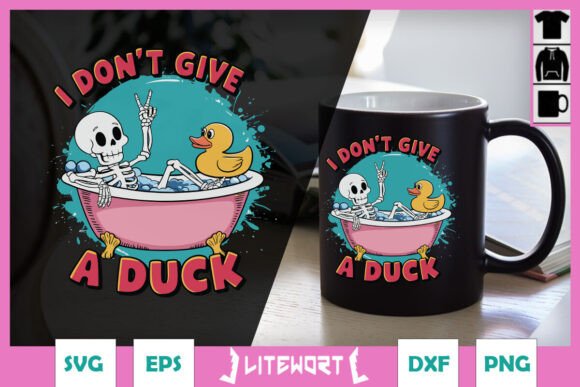
Zero Ducks Given Funny Duck SVG Review
As a designer who has spent years translating digital graphics into tangible stitched goods, I approach every new asset with a mix of excitement and skepticism. The market is flooded with generic clip art that looks fine on a screen but falls apart under the needle. That is why my first look at Zero Ducks Given Funny Duck SVG was less about the cute factor and more about structural integrity. This design immediately grabbed my attention not just for its punny charm, but for how it balances simplicity with enough character to stand out in a crowded shop window.
The First Impression: Visual Weight and Personality
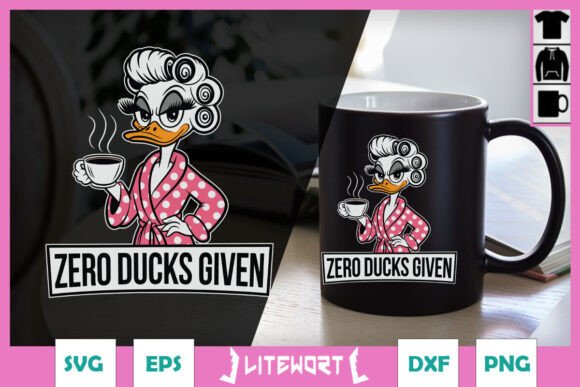
When I opened the file to inspect the vector lines, the mood was instantly clear. This is not a delicate, intricate botanical piece meant for fine linen; it is a bold, humorous statement. The duck silhouette is clean, avoiding those frustratingly tiny gaps that often trap thread or cause breakage during digitization. The phrase "Zero Ducks Given" is integrated in a way that feels cohesive rather than tacked on. For an embroidery project, this visual personality is crucial. It tells me immediately that this design belongs on casual, fun items rather than formal wear.
In the realm of Crafts and Graphics, a design's success often hinges on its ability to translate from a 2D screen to a 3D fabric surface. The layout here suggests a moderate stitch density, which is ideal for maintaining definition without creating a stiff, plastic-like patch on the garment. The curves of the duck are smooth, promising a nice flow for satin stitches if you choose to outline the edges, while the body offers ample room for fill stitches that will hold up well over time.
Real-World Application: From Hoop to Shelf
To truly evaluate this asset, I need to visualize it in a real scenario. Imagine I am preparing a custom embroidered tote bag for a local craft fair. The canvas is sturdy, off-white cotton. As I load the Zero Ducks Given Funny Duck SVG into my machine software, I can see how the design scales. It fits perfectly within a standard 5x7 inch hoop, leaving just enough margin for the stabilizer without crowding the needle.
This specific design screams custom apparel. Picture it centered on a heavyweight sweatshirt in heather grey. The contrast between the dark thread colors and the fabric would make the duck pop, turning a basic piece of clothing into a conversation starter. For an Etsy seller or small shop product line, this kind of instant recognition is gold. Customers browsing for holiday gifts or personalized items are drawn to humor that feels relatable. A finished product featuring this duck doesn't just look good; it conveys a vibe that aligns perfectly with modern, laid-back branding.
I also see potential for an embroidered patch. If I were to create a set of iron-on patches, the clean lines of this graphic would ensure the details remain sharp even when cut out. These could be sold as add-ons for denim jackets, backpacks, or even as decorative accents on nursery decor for a child who loves birds. The versatility allows a maker to pivot quickly between different product categories without needing to redesign the core asset.
Navigating Challenges: Where Caution is Needed
However, experience teaches us that no design is a magic bullet. There are specific situations where Zero Ducks Given Funny Duck SVG requires careful handling. While the lines are generally robust, if you attempt to scale this down too aggressively for a small cap embroidery project, the text might lose legibility. Tiny lettering is the enemy of clarity in machine embroidery. I would advise against using this design on anything smaller than a 4x4 inch hoop unless you are willing to simplify the text further.
Fabric texture is another critical factor. On highly textured fabrics like thick fleece or ribbed knit, the fill stitch areas might not sit flat, potentially causing the design to pucker. Similarly, on very thin or stretchy fabrics, the weight of the stitching could distort the material. In these cases, using a heavy-duty stabilizer becomes non-negotiable. You must test the design on scrap fabric first to ensure the tension is correct and the backing holds firm.
Dark fabrics present their own challenge. While the design works beautifully on light backgrounds, placing it on black or navy requires a precise underlay strategy to prevent the colors from bleeding into the background. You cannot simply stitch the top layer; you need a solid base to make the white or pastel thread colors of the duck stand out. Without proper planning, the visual appeal diminishes, and the professional finish suffers.
Designer Notes for Professional Execution
Before committing this design to a client order or a batch of inventory, follow these practical steps to ensure quality:
- Test on Scrap Fabric: Always run a test stitch on a swatch of your intended material. Check for puckering, skipped stitches, or thread breaks, especially in the denser areas of the duck's body.
- Review Thread Colors: Experiment with different color combinations. A classic teal and yellow might work, but consider seasonal palettes for holiday embroidery or unique shades to match a boutique brand.
- Confirm Hoop Size: Ensure the design fits comfortably within your hoop with adequate space for the clamps. Do not force a large design into a small hoop, as this leads to shifting and misalignment.
- Inspect Small Details: Zoom in on the digital file to check for any stray nodes or jagged lines that could cause issues during digitization. Smooth paths lead to smoother stitches.
- Use Proper Stabilizer: Whether you use tear-away, cut-away, or wash-away, choose the right type for your fabric. This is the foundation of a durable finished product.
- Check Licensing: Before selling finished items or offering this as a digital download, confirm the commercial rights included with your purchase. Understand exactly what you are allowed to sell to protect your business.
Final Verdict: A Valuable Asset for Makers
Ultimately, Zero Ducks Given Funny Duck SVG is a strong contender for any creative entrepreneur's library. It strikes the right balance between whimsical charm and technical feasibility. It does not demand excessive thread changes or complex digitization skills, making it accessible for hobbyists while remaining professional enough for commercial embroidery projects.
For the small business owner looking to expand their catalog with low-risk, high-reward items, this design offers excellent value. It translates well across various mediums, from tote bag designs to baby embroidery and beyond. By paying attention to fabric choice, stabilizer usage, and scaling, you can turn this simple graphic into a premium handmade product that customers will love to wear and display. In the world of digital design assets, finding something that is both fun and functional is rare. This duck manages to do both, proving that sometimes the best designs are the ones that let the stitch speak for itself.